• Contact us
  • Email Whitelisting
  • Home 1
  • Privacy Policy
  • Terms & Conditions
  • Thank you
Wholesome Area - Beauty Secrets and Tips
No Result
View All Result
  • Health Care
  • Health News
  • Healthy Advices
  • Well Being
  • Health Care
  • Health News
  • Healthy Advices
  • Well Being
No Result
View All Result
Wholesome Area - Beauty Secrets and Tips
No Result
View All Result
Home Health News

Those at risk for severe COVID-19 often least likely to get monoclonal antibodies

admin by admin
April 26, 2022
in Health News
0
Those at risk for severe COVID-19 often least likely to get monoclonal antibodies
0
SHARES
94
VIEWS
Share on FacebookShare on Twitter

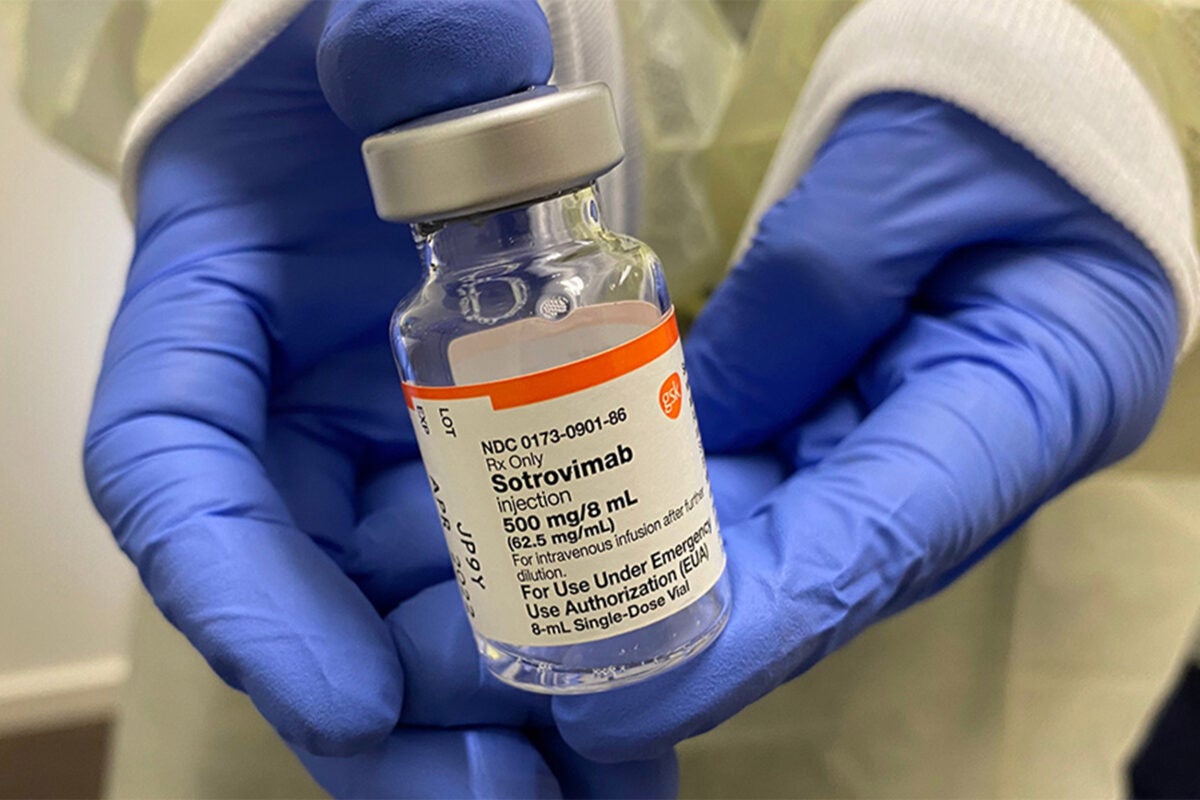
People over age 65 at the highest risk for severe COVID-19 have often been the least likely to receive monoclonal antibodies (mAbs) — a highly effective treatment for the disease, according to new research co-authored by researchers from Harvard T.H. Chan School of Public Health.

The analysis was published online Feb. 4 in JAMA.

“Monoclonal antibodies should first go to patients at the highest risk of death from COVID-19, but the opposite happened — the healthiest patients were the most likely to get treatment. Unfortunately, our federal and state system for distributing these drugs has failed our most vulnerable patients,” said Michael Barnett, assistant professor of health policy and management at Harvard Chan School and lead author of the study.

Monoclonal antibodies are very effective at treating mild to moderate COVID-19 infection among non-hospitalized patients. But during the pandemic, mAbs have been in short supply. Federal guidelines prioritize patients at higher risk of being hospitalized or dying from COVID-19, including older people and those with chronic conditions.

The researchers wanted to learn how the limited supply of mAb therapy was allocated to patients at highest risk for severe disease. They looked at data from more than 1.9 million Medicare beneficiaries who had been diagnosed with COVID-19 between November 2020 and August 2021, and compared rates of receiving mAbs by age, sex, race and ethnicity, region, and number of chronic conditions.

“Monoclonal antibodies should first go to patients at the highest risk of death from COVID-19, but the opposite happened — the healthiest patients were the most likely to get treatment.”
— Michael Barnett, Harvard Chan School

They found that, among Medicare beneficiaries who weren’t hospitalized or who didn’t pass away within seven days of their diagnosis, only 7.2 percent received mAb therapy. The likelihood of receiving mAbs was higher among those with fewer chronic conditions — 23.2 percent of those with no chronic conditions received mAbs, versus 6.3 percent, 6.0 percent, and 4.7 percent of those with 1-3, 4-5, and 6 or more chronic conditions, respectively. The researchers also found that Black people were less likely to receive mAbs than whites — 6.2 percent versus 7.4 percent.

In addition, there were significant differences among states when it came to mAb treatment. For example, Rhode Island and Louisiana administered mAbs to the highest proportion of non-hospitalized patients with COVID-19 (24.9 percent and 21.2 percent), while Alaska and Washington administered the lowest proportion (1.1 percent and 0.7 percent ). Southern states had the highest rates of mAb therapy (10.6 percent of beneficiaries), while states in the West had the lowest rates (2.9 percent).

Speculating as to why mAb therapy often failed to reach the highest-risk COVID-19 patients, the researchers said it’s possible that higher-risk patients may have had difficulty navigating the multiple steps needed to receive mAbs, from receiving a timely diagnosis to referral and scheduling an infusion within 10 days. As for differences among states, they suggested that mAb supply may have been low or less used by clinicians in some regions of the U.S.

“We need new approaches to prevent these inequities from happening again with newer treatments on the horizon,” said Barnett.

Other Harvard Chan School co-authors included Ellen Meara, Arnold Epstein, and E. John Orav.

Funding for the study came from the National Institute on Aging (grant K23 AG058806) and the Agency for Healthcare Research and Quality (award U19 HS024075).


Previous Post

Push for inclusive language in battle for transgender rights

Next Post

Puerto Rico COVID cases surge after restrictions dropped

admin

admin

Next Post
Puerto Rico COVID cases surge after restrictions dropped

Puerto Rico COVID cases surge after restrictions dropped

  • Trending
  • Comments
  • Latest
Americans die younger in states with conservative policies: study

Americans die younger in states with conservative policies: study

October 27, 2022
Those at risk for severe COVID-19 often least likely to get monoclonal antibodies

Those at risk for severe COVID-19 often least likely to get monoclonal antibodies

April 26, 2022
Biden says US has offered vaccines to North Korea but got no response

Biden says US has offered vaccines to North Korea but got no response

May 21, 2022
Medicaid cuts could define midterms

Medicaid cuts could define midterms

July 7, 2025
This gene-editing therapy could cure sickle cell disease, and it’s close to FDA approval

This gene-editing therapy could cure sickle cell disease, and it’s close to FDA approval

0
Health Care — Draft Supreme Court opinion sets off uproar

Health Care — Draft Supreme Court opinion sets off uproar

0
UN calls reproductive rights ‘foundation’ of equality for women and girls

UN calls reproductive rights ‘foundation’ of equality for women and girls

0
57 percent in new poll want Supreme Court to support abortion rights

57 percent in new poll want Supreme Court to support abortion rights

0
FDA sends warning to 30 telehealth companies selling ‘illegal’ GLP-1s

FDA sends warning to 30 telehealth companies selling ‘illegal’ GLP-1s

March 3, 2026
Colorectal cancer demographics shift toward younger Americans: Research

Colorectal cancer demographics shift toward younger Americans: Research

March 3, 2026
Minnesota sues over withheld Medicaid funds

Minnesota sues over withheld Medicaid funds

March 3, 2026
California family says home lab belonging to teen trying to cure cancer was misread by FBI

California family says home lab belonging to teen trying to cure cancer was misread by FBI

March 3, 2026

Recent News

FDA sends warning to 30 telehealth companies selling ‘illegal’ GLP-1s

FDA sends warning to 30 telehealth companies selling ‘illegal’ GLP-1s

March 3, 2026
Colorectal cancer demographics shift toward younger Americans: Research

Colorectal cancer demographics shift toward younger Americans: Research

March 3, 2026
Minnesota sues over withheld Medicaid funds

Minnesota sues over withheld Medicaid funds

March 3, 2026
California family says home lab belonging to teen trying to cure cancer was misread by FBI

California family says home lab belonging to teen trying to cure cancer was misread by FBI

March 3, 2026
Enter Your Information Below To Receive Free Health and Beauty Tips and Ideas


    Your information is secure and your privacy is protected. By opting in you agree to receive emails from us. Remember that you can opt-out any time, we hate spam too!
    • Contact us
    • Privacy Policy
    • Terms & Conditions
    • Email Whitelisting

    Copyright © 2026 wholesomearea.com | All Rights Reserved

    No Result
    View All Result
    • Health Care
    • Health News
    • Healthy Advices
    • Well Being

    Copyright © 2026 wholesomearea.com | All Rights Reserved