
With much of the world still susceptible to SARS-CoV-2, experts predict the virus will become endemic.
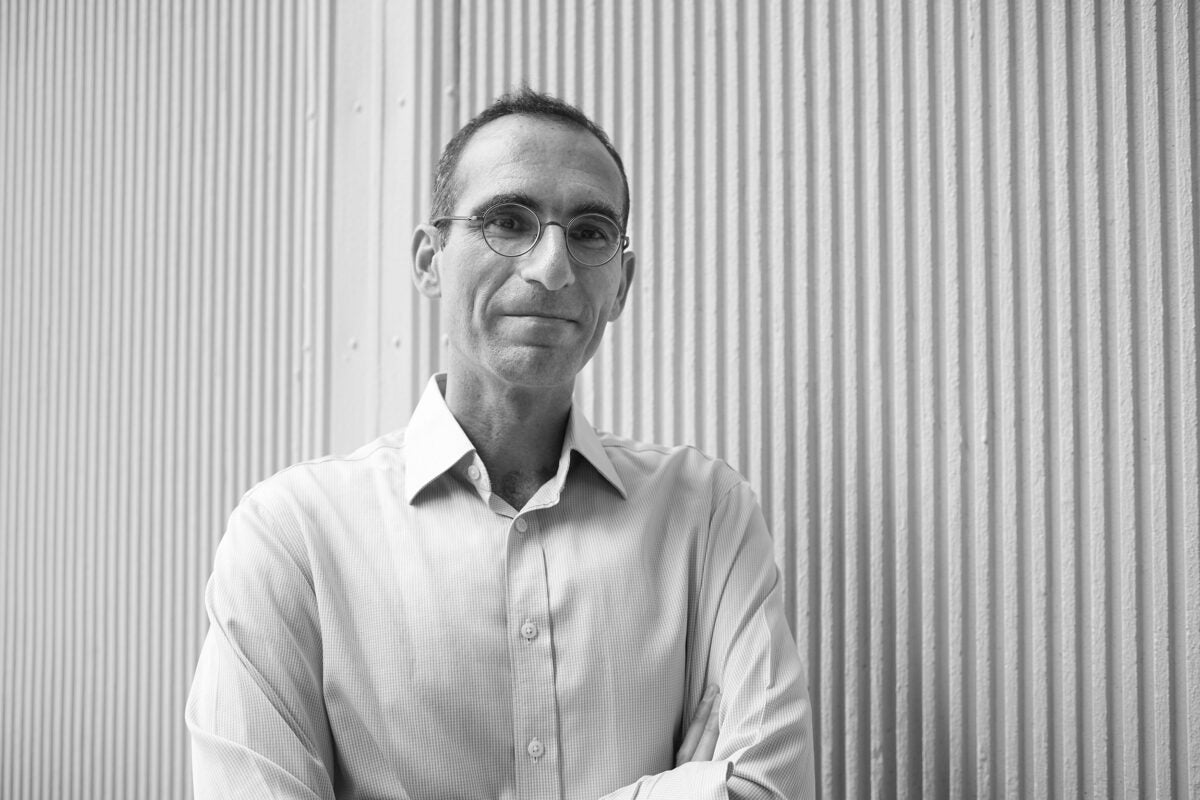
The Harvard T.H. Chan of Public Health asked immunologist Yonatan Grad what it will look like as COVID-19 continues to circulate in the months and years ahead. Grad is the Melvin J. and Geraldine L. Glimcher Associate Professor of Immunology and Infectious Diseases at the Chan School.
Q&A
Yontan Grad
HARVARD CHAN SCHOOL: Many experts have said they expect COVID-19 to become an endemic disease. How does a disease go from being acute to endemic? What factors shape the transition to endemicity? What’s a likely timeline for COVID-19 to become endemic?
GRAD: The expectation that COVID-19 will become endemic essentially means that the pandemic will not end with the virus disappearing; instead, the optimistic view is that enough people will gain immune protection from vaccination and from natural infection such that there will be less transmission and much less COVID-19-related hospitalization and death, even as the virus continues to circulate.
The expected continued circulation of SARS-CoV-2 stands in contrast with the first round of SARS in 2003 and with the Ebola virus outbreak in West Africa in 2014, when public health measures ultimately stopped spread and brought both outbreaks to an end. While there are important differences among the viruses and the contexts, this comparison underscores the critical need to improve our global public health infrastructure and surveillance systems to monitor for and help respond to the inevitable next potential pandemic virus.
Since viruses spread where there are enough susceptible individuals and enough contact among them to sustain spread, it’s hard to anticipate what the timeline will be for the expected shift of COVID-19 to endemicity. It’s dependent on factors like the strength and duration of immune protection from vaccination and natural infection, our patterns of contact with one another that allow spread, and the transmissibility of the virus. So the patterns will likely differ considerably from what we saw with the other pandemics because of the heterogeneous responses to COVID-19 across the world — with some places engaging in “zero-COVID” policies, others with limited responses, and widely variable vaccine availability and uptake.
HARVARD CHAN SCHOOL: What does history tell us about how deadly viruses such as COVID-19 can, over time, become manageable threats?
GRAD: We know of a few respiratory viruses that were introduced into the human population, swept across the globe, and transitioned to endemic circulation, usually with annual wintertime peaks in incidence. The example most commonly invoked these days is the 1918 flu pandemic, caused by an A/H1N1 influenza virus. But there are other more recent examples from influenza: The 1957 flu pandemic caused by an A/H2N2 influenza virus, the 1968 flu pandemic from an A/H3N2 influenza virus, and the 2009 “swine flu” pandemic, from an A/H1N1 influenza virus.
The pandemics generally began with infection fatality rates higher than observed in the years following their introduction as the viruses continued to circulate. While declining fatality rates after pandemics may be due to a number of factors, one likely key contributor is that the first round of exposure to a pathogen confers some degree of protection against reinfection and severity of disease if reinfection does occur. Vaccines confer protection in much the same way, as the data from the COVID-19 vaccines has demonstrated.
HARVARD CHAN SCHOOL: What is the likelihood that we will need booster shots every year?
GRAD: The need for annual boosters isn’t clear, and key biology and policy questions remain to be answered. On the biology side, how much antigenic evolution will we see in SARS-CoV-2 — in other words, to what extent will it evolve to evade our immune system? We know of examples on both ends of the spectrum — some viruses, like influenza, require repeated vaccination because of its antigenic evolution, whereas others, like measles, are kept at bay for decades after childhood vaccination. How long does immune protection last, and what is the nature of that protection? How much does vaccine-conferred protection reduce the likelihood of infection, of severe disease if infected, or of the likelihood of transmission if infected? How quickly do each of these responses wane? On the policy side, what burden of disease are we willing to tolerate in a population?
These policy questions extend beyond COVID-19, of course, and should prompt us to reevaluate what we want to do about other preventable diseases. We’re in the midst of a wave of respiratory syncytial virus (RSV), another respiratory virus that for most of us causes cold and flu-like symptoms but that can be much more severe in infants, the elderly, and those with respiratory conditions. We don’t yet have an approved vaccine or highly effective treatment for RSV. And while we have modestly effective influenza vaccines and therapeutics, we usually see between 20,000 to 60,000 deaths a year in the U.S. from influenza. On a global scale, tuberculosis and malaria remain scourges that cause immense suffering. Investments in these areas and other measures that we’ve learned from COVID-19, such as the importance of ventilation and masking, can help reduce illness and death from a range of respiratory viruses and drive innovation in tools to tackle other infectious disease threats.
Past pandemics have led to massive changes in the way we live that we’ve come to accept as normal. Screens on our doors and windows helped keep out mosquitos that carried yellow fever and malaria. Sewer systems and access to clean water helped eliminate typhoid and cholera epidemics. Perhaps the lessons learned from COVID-19 in terms of disease prevention can yield similar long-term improvements in individual and global health.