• Contact us
  • Email Whitelisting
  • Home 1
  • Privacy Policy
  • Terms & Conditions
  • Thank you
Wholesome Area - Beauty Secrets and Tips
No Result
View All Result
  • Health Care
  • Health News
  • Healthy Advices
  • Well Being
  • Health Care
  • Health News
  • Healthy Advices
  • Well Being
No Result
View All Result
Wholesome Area - Beauty Secrets and Tips
No Result
View All Result
Home Health News

Living through COVID may affect brains of the uninfected

admin by admin
April 26, 2022
in Health News
0
Living through COVID may affect brains of the uninfected
0
SHARES
12
VIEWS
Share on FacebookShare on Twitter

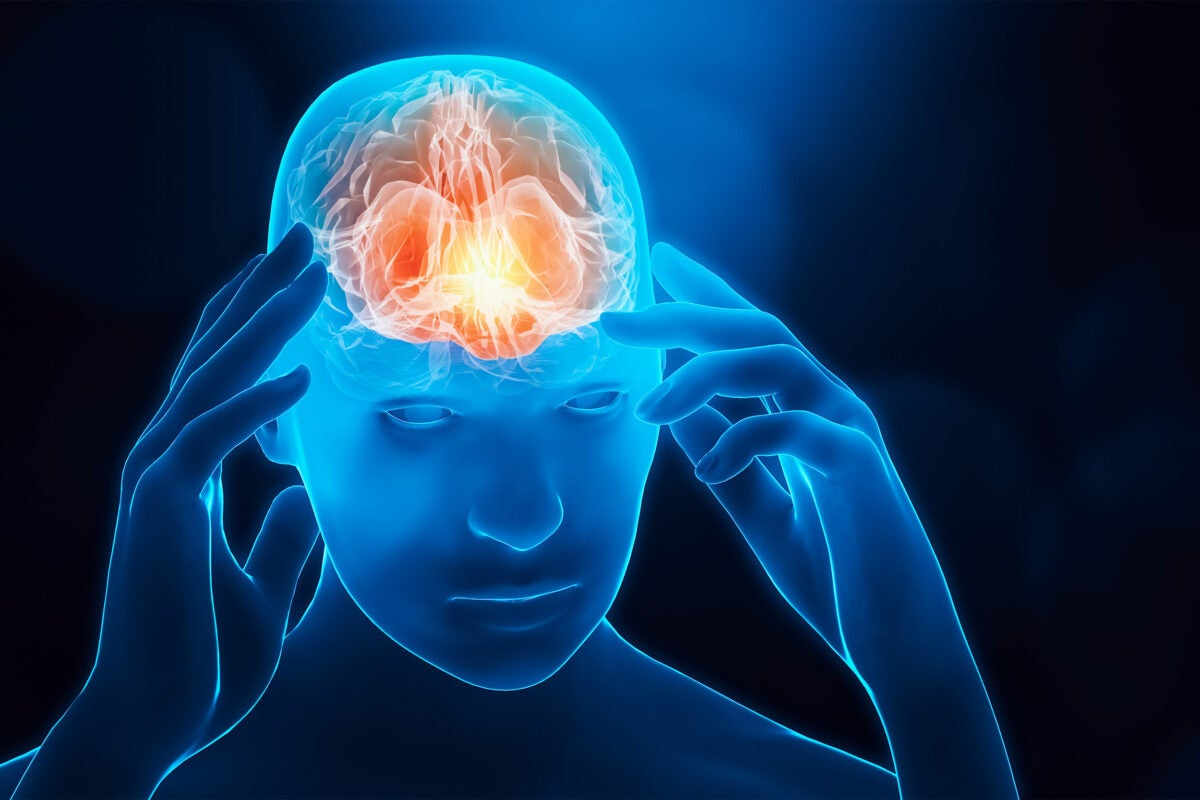
Even for those never infected with SARS-CoV-2, new research shows that lifestyle disruptions during the COVID-19 pandemic may have triggered inflammation in the brain contributing to fatigue, concentration difficulties, and depression.

The study, which was conducted by a team led by investigators at Massachusetts General Hospital, is published in Brain, Behavior, and Immunity.

Beyond causing a staggering number of infections and deaths, the COVID-19 pandemic has led to significant social and economic disruptions that have impacted the lives of a large swath of the world’s population in multiple ways. Also, since the start of the pandemic, the severity and prevalence of symptoms of psychological distress, fatigue, brain fog, and other conditions have increased considerably in the United States, including among people not infected with SARS-CoV-2.

To obtain a better understanding of the effects of the pandemic on brain and mental health, researchers analyzed brain imaging data, conducted behavioral tests, and collected blood samples from multiple uninfected volunteers — 57 before and 15 after lockdown/stay-at-home measures were implemented to limit the pandemic’s spread.

After lockdowns, the study participants demonstrated elevated brain levels of two markers of neuroinflammation — translocator protein (measured using positron emission tomography) and myoinositol (measured using magnetic resonance spectroscopy) — compared with pre-lockdown participants. Blood levels of two inflammatory markers — interleukin-16 and monocyte chemoattractant protein-1 — were also elevated in post-lockdown participants, although to a lesser extent.

Participants who reported a higher burden of symptoms related to mood and mental and physical fatigue showed higher levels of translocator protein in certain brain regions, compared with those reporting little or no symptoms. Also, higher post-lockdown translocator protein levels correlated with the expression of several genes involved in immune functions.

“While COVID-19 research has seen an explosion in the literature, the impact of pandemic-related societal and lifestyle disruptions on brain health among the uninfected has remained under-explored,” says lead author Ludovica Brusaferri, a postdoctoral research fellow at MGH and Harvard Medical School. “Our study demonstrates an example of how the pandemic has impacted human health beyond the effects directly caused by the virus itself.”

Senior author Marco L. Loggia, co-director of the Center for Integrative Pain NeuroImaging at MGH and Harvard Medical School, notes that acknowledging a role of neuroinflammation in the symptoms experienced by many during the pandemic might point to possible strategies to reduce them. “For instance, behavioral or pharmacological interventions that are thought to reduce inflammation — such as exercise and certain medications — might turn out to be helpful as a means of reducing these vexing symptoms.”

Loggia adds that the findings also provide further support to the notion that stressful events might be accompanied by brain inflammation. “This could have important implication for developing interventions for a broad number of stress-related disorders,” he says.

Study co-authors include Zeynab Alshelh, Daniel Martins, Minhae Kim, Akila Weerasekera, Hope Housman, Erin J. Morrissey, Paulina C. Knight, Kelly A. Castro-Blanco, Daniel S. Albrecht, Chieh-En Tseng, Nicole R. Zürcher, Eva-Maria Ratai, Oluwaseun Akeju, Meena M. Makary, Ciprian Catana, Nathaniel D. Mercaldo, Nouchine Hadjikhani, Mattia Veronese, Federico Turkheimer, Bruce R. Rosen, and Jacob M. Hooker.

The study was supported by the National Institutes of Health and The Landreth Family Foundation.

Previous Post

Could cataract surgery protect against dementia?

Next Post

Remembering Paul Farmer

admin

admin

Next Post
Remembering Paul Farmer

Remembering Paul Farmer

  • Trending
  • Comments
  • Latest
Americans die younger in states with conservative policies: study

Americans die younger in states with conservative policies: study

October 27, 2022
Those at risk for severe COVID-19 often least likely to get monoclonal antibodies

Those at risk for severe COVID-19 often least likely to get monoclonal antibodies

April 26, 2022
Biden says US has offered vaccines to North Korea but got no response

Biden says US has offered vaccines to North Korea but got no response

May 21, 2022
Medicaid cuts could define midterms

Medicaid cuts could define midterms

July 7, 2025
Hims & Hers to partner with Novo Nordisk and stop selling compounded GLP-1s

Hims & Hers to partner with Novo Nordisk and stop selling compounded GLP-1s

0
Health Care — Draft Supreme Court opinion sets off uproar

Health Care — Draft Supreme Court opinion sets off uproar

0
UN calls reproductive rights ‘foundation’ of equality for women and girls

UN calls reproductive rights ‘foundation’ of equality for women and girls

0
57 percent in new poll want Supreme Court to support abortion rights

57 percent in new poll want Supreme Court to support abortion rights

0
Hims & Hers to partner with Novo Nordisk and stop selling compounded GLP-1s

Hims & Hers to partner with Novo Nordisk and stop selling compounded GLP-1s

March 9, 2026
RFK Jr. losing battle to boost trust in public health agencies

RFK Jr. losing battle to boost trust in public health agencies

March 9, 2026
Childhood obesity at a record high as MAHA presses for changes to kids’ diets

Childhood obesity at a record high as MAHA presses for changes to kids’ diets

March 8, 2026
Nancy Guthrie search highlights trauma of missing persons cases

Nancy Guthrie search highlights trauma of missing persons cases

March 7, 2026

Recent News

Hims & Hers to partner with Novo Nordisk and stop selling compounded GLP-1s

Hims & Hers to partner with Novo Nordisk and stop selling compounded GLP-1s

March 9, 2026
RFK Jr. losing battle to boost trust in public health agencies

RFK Jr. losing battle to boost trust in public health agencies

March 9, 2026
Childhood obesity at a record high as MAHA presses for changes to kids’ diets

Childhood obesity at a record high as MAHA presses for changes to kids’ diets

March 8, 2026
Nancy Guthrie search highlights trauma of missing persons cases

Nancy Guthrie search highlights trauma of missing persons cases

March 7, 2026
Enter Your Information Below To Receive Free Health and Beauty Tips and Ideas


    Your information is secure and your privacy is protected. By opting in you agree to receive emails from us. Remember that you can opt-out any time, we hate spam too!
    • Contact us
    • Privacy Policy
    • Terms & Conditions
    • Email Whitelisting

    Copyright © 2026 wholesomearea.com | All Rights Reserved

    No Result
    View All Result
    • Health Care
    • Health News
    • Healthy Advices
    • Well Being

    Copyright © 2026 wholesomearea.com | All Rights Reserved