• Contact us
  • Email Whitelisting
  • Home 1
  • Privacy Policy
  • Terms & Conditions
  • Thank you
Wholesome Area - Beauty Secrets and Tips
No Result
View All Result
  • Health Care
  • Health News
  • Healthy Advices
  • Well Being
  • Health Care
  • Health News
  • Healthy Advices
  • Well Being
No Result
View All Result
Wholesome Area - Beauty Secrets and Tips
No Result
View All Result
Home Health Care

What the end of the COVID-19 national emergency means

by
March 30, 2023
in Health Care
0
What the end of the COVID-19 national emergency means
0
SHARES
5
VIEWS
Share on FacebookShare on Twitter

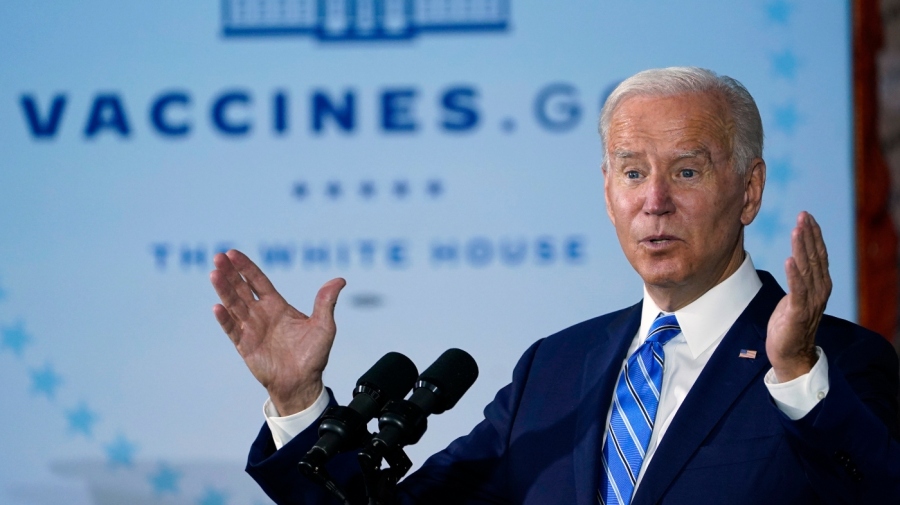
The Senate passed a GOP-led resolution Wednesday night to end the COVID-19 national emergency, and President Biden has riled Democrats with his plans to sign it. 

Experts say the end of the emergency will have a “limited impact,” despite the White House warning earlier this year it “would create wide-ranging chaos and uncertainty throughout the health care system.” 

The resolution will end a number of waivers for federal health programs Medicare, Medicaid and CHIP, however many of the changes to healthcare regulations have become largely irrelevant as COVID-19 precautions have been relaxed.

The Biden administration had already set an impending deadline for both the national emergency and the public health emergency to end. In January, a May 11 deadline was announced, giving states the go-ahead to begin winding down the measures enacted under the emergencies.

The COVID emergency also provided the power for former President Trump and later Biden to pause student loan repayments. However, Biden’s student loan forgiveness plan is now being challenged at the Supreme Court, and student loan repayments are set to begin either 60 days after the Supreme Court ruling or 60 days after June 30.

“The ending of the national emergency declaration, should the President sign the resolution passed by the Senate, would have a limited impact,” Jen Kates, senior vice president and director of global health and HIV policy at the Kaiser Family Foundation, said in a statement to The Hill.

Trump declared a national emergency concerning COVID-19 in March 2020, granting the Health and Human Services (HHS) secretary emergency authority to “temporarily waive or modify certain requirements of the Medicare, Medicaid, and State Children’s Health Insurance programs” over the course of the emergency declaration.

Under the national emergency, HHS issued blanket waivers for federal conditions including certain requirements for Medicare provider enrollment; requirements for in-person meetings between providers and patients; as well as requiring out-of-state Medicare and Medicaid providers to be licensed in the state where they are providing services.

States and territories were also allowed to request additional, time-limited, flexibilities for their Medicaid and CHIP programs. Providers were given the flexibility to administer services in “alternative settings” like unlicensed facilities and temporarily enrolled providers were allowed to forgo requirements like paying application fees or undergoing criminal background checks.

As these waivers were issued at the start of the pandemic, around the same time when lockdowns were being ordered, many of the rules were loosened to reduce the number of people leaving their homes for medical services, expand the capacity of critical care hospitals and ensure that patients could still receive care.

“There are only a limited number of flexibilities tied to the national emergency declaration, such as waivers of some state Medicaid provider requirements,” Kates said. “It is also likely that states using such flexibilities have already ended them or are preparing to do so given the May 11 date. The bottom line is that the public is unlikely to experience any noticeable changes due to the ending of this declaration a month before the PHE.”

Still, Biden signing the legislation marks a stark reversal for the president. Almost 200 House Democrats had voted on Feb. 1 against the Republican proposal for an immediate repeal of the emergency designation after the White House sounded its warning about the resolution.

The president’s shift was particularly galling for the party’s frontliners facing tough reelection contests next year. 

“It’s frustrating,” said Rep. Dan Kildee (D-Mich.). “At best it’s [an] unacceptable lack of clarity in their message to us.”

“I find it surprising and I’d like to see a little more consistency,” said Rep. Lloyd Doggett (D-Texas).


Previous Post

Three in four Americans say Medicare changes needed for future sustainability

Next Post

US firearm homicide rates increased by nearly 35 percent during pandemic: report

Next Post
US firearm homicide rates increased by nearly 35 percent during pandemic: report

US firearm homicide rates increased by nearly 35 percent during pandemic: report

  • Trending
  • Comments
  • Latest
Americans die younger in states with conservative policies: study

Americans die younger in states with conservative policies: study

October 27, 2022
Those at risk for severe COVID-19 often least likely to get monoclonal antibodies

Those at risk for severe COVID-19 often least likely to get monoclonal antibodies

April 26, 2022
Biden says US has offered vaccines to North Korea but got no response

Biden says US has offered vaccines to North Korea but got no response

May 21, 2022
Medicaid cuts could define midterms

Medicaid cuts could define midterms

July 7, 2025
Trump proposes to loosen rules for cancer-causing gas from sterilizer plants

Trump proposes to loosen rules for cancer-causing gas from sterilizer plants

0
Health Care — Draft Supreme Court opinion sets off uproar

Health Care — Draft Supreme Court opinion sets off uproar

0
UN calls reproductive rights ‘foundation’ of equality for women and girls

UN calls reproductive rights ‘foundation’ of equality for women and girls

0
57 percent in new poll want Supreme Court to support abortion rights

57 percent in new poll want Supreme Court to support abortion rights

0
Trump proposes to loosen rules for cancer-causing gas from sterilizer plants

Trump proposes to loosen rules for cancer-causing gas from sterilizer plants

March 13, 2026
Food stamp recipients sue USDA over restrictions on candy, energy drinks

Food stamp recipients sue USDA over restrictions on candy, energy drinks

March 12, 2026
Newsom fires back at Trump over post calling dyslexia ‘mental disorder’

Newsom fires back at Trump over post calling dyslexia ‘mental disorder’

March 12, 2026
1 in 3 say they cut back elsewhere to pay for health care: Survey

1 in 3 say they cut back elsewhere to pay for health care: Survey

March 12, 2026

Recent News

Trump proposes to loosen rules for cancer-causing gas from sterilizer plants

Trump proposes to loosen rules for cancer-causing gas from sterilizer plants

March 13, 2026
Food stamp recipients sue USDA over restrictions on candy, energy drinks

Food stamp recipients sue USDA over restrictions on candy, energy drinks

March 12, 2026
Newsom fires back at Trump over post calling dyslexia ‘mental disorder’

Newsom fires back at Trump over post calling dyslexia ‘mental disorder’

March 12, 2026
1 in 3 say they cut back elsewhere to pay for health care: Survey

1 in 3 say they cut back elsewhere to pay for health care: Survey

March 12, 2026
Enter Your Information Below To Receive Free Health and Beauty Tips and Ideas


    Your information is secure and your privacy is protected. By opting in you agree to receive emails from us. Remember that you can opt-out any time, we hate spam too!
    • Contact us
    • Privacy Policy
    • Terms & Conditions
    • Email Whitelisting

    Copyright © 2026 wholesomearea.com | All Rights Reserved

    No Result
    View All Result
    • Health Care
    • Health News
    • Healthy Advices
    • Well Being

    Copyright © 2026 wholesomearea.com | All Rights Reserved